

You Need An Eye Cream
Why Your Delicate Eye Area Deserves Better Than Some Leftover Facial Moisturizer

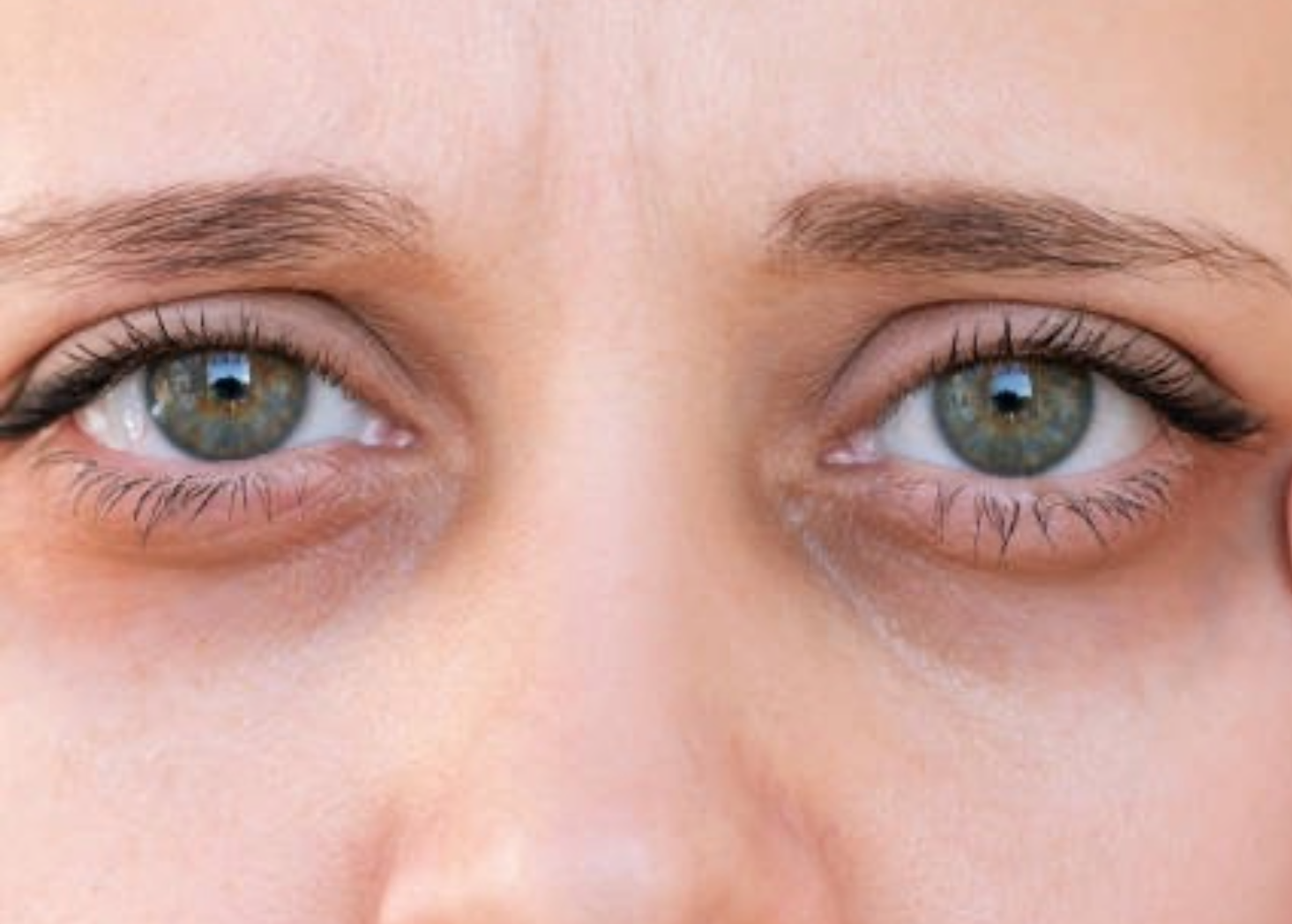
There are many alleged “skincare experts” on social media who claim there’s no difference between facial moisturizers and eye creams. So why “waste” money on a dedicated eye cream?
They’re WRONG.
This is not my opinion; this is based on SCIENTIFIC FACT.
Will applying a facial moisturizer around the eye area hurt you?
Of course not, as long as it doesn’t contain strong exfoliating acids or a high-level retinoid.
Will a dedicated eye cream be better at addressing specific concerns?
Of course. The anatomy (structure) and physiology (function) of the skin around the eye area is structurally different, ages differently, and responds to treatment differently from the skin on the rest of your face. So a properly formulated eye cream will provide targeted results.
Let’s begin with science.
Why the Eye Area Ages Faster Than the Rest of Your Face
To understand why eye creams exist as a category, you have to start with anatomy. The skin around your eyes - the periorbital zone - is about 40% thinner than the skin on your cheeks or forehead (think of the difference between tissue paper and poster board). It has far fewer sebaceous glands, which means it produces almost no natural oil to help maintain skin elasticity and protect the moisture barrier. And unlike much of the other skin on your face, it moves constantly. Did you realize you blink an average of 10,000 to 15,000 times a day? Every one of those blinks is a tiny mechanical stress event on delicate thin skin, which has a very limited ability to protect and repair itself.
Because of its structure, the eye area typically shows the first visible signs of aging on the face, and in very specific ways:
fine lines at the outer corners (crow’s feet)
crepiness and thinning of the upper lid
puffiness from lymphatic fluid accumulation
dark circles that can stem from vascular pooling or structural shadowing from volume loss (which is what I have).
A well-formulated facial moisturizer is built to support barrier function and hydration on a much denser, more resilient surface. Using it around the eyes isn’t harmful. It just won’t effectively address the specific needs of that delicate skin.
What Does a Well-Formulated Eye Cream Look Like?
Let me begin by acknowledging that thanks to unscrupulous cosmetic marketers, the eye cream category has developed a credibility problem. They’ve flooded the market with products labeled as eye creams that are simply moisturizers repackaged in smaller jars or tubes, accompanied by exaggerated marketing claims and higher price tags.
Well-formulated eye creams are specific - they deliver specific actives, calibrated to address specific concerns, in a texture designed for a specific part of the anatomy.
Let’s match the most common concerns with the correct ingredients:
For fine lines and loss of firmness:
Peptides are the workhorses of this concern. Ingredients like acetyl hexapeptide (sometimes called Argireline) work by subtly relaxing the repetitive muscle contractions that etch expression lines into the skin over time. Palmitoyl peptides (you’ll see names like Matrixyl) signal the skin to produce more collagen and elastin, helping to firm and thicken the thin, delicate tissue around the eye.
Peptides aren’t an overnight miracle, but with consistent use over weeks and months, the cumulative effect is real and clinically documented.
For puffiness:
Caffeine is the gold standard, and for good reason. It can stimulate lymphatic drainage, reducing fluid accumulation that causes morning puffiness. The key here is the formula's caffeine concentration.
A product needs to deliver enough caffeine to the tissue to actually do anything. A token amount buried in the tail end of the ingredient list (INCI) for a marketing call-out on packaging and in ads won’t do much. Make sure caffeine is listed in the first quarter of the INCI.
For dark circles:
This one is more complex because dark circles aren’t all the same, so let’s break it down by concern:
If your under-eye area has a bluish or purplish tint, the cause is vascular, meaning blood has leaked and pooled near the surface of the thin skin. Ingredients like vitamin K are considered a vasoconstrictor, which causes blood vessels to narrow, or “constrict,” by tightening the muscular walls of the capillaries. Now add a meaningful dose of caffeine to the formula, and it will strengthen capillary walls and improve microcirculation, alleviating the pooling.
If your dark circles are brownish, you’re dealing with pigmentation, which means your system is triggering too much melanin to be transferred to the skin’s surface. This is where niacinamide and/or tranexamic acid come into play. Both inhibit melanin transfer to the skin’s surface and will brighten the area over time.
If your darkness is a shadow created by volume (fat) loss and under-eye hollowing, no topical ingredient can fix that structurally. It’s time to have a conversation with a dermatologist.
For hydration and barrier support:
First, Let’s Talk About Hyaluronic Acid:
We’ve all heard the marketing - Hyaluronic Acid (HA) can absorb up to 1000x it’s weight in water. Amazing, right?
So amazing that the relentless buzz around this trendy ingredient has unfortunately prompted cosmetic marketers to add it into EVERY product imaginable…but more of something is not nessesary better, especially if it has the potential to cause damage.I’m purposely omitting HAs as an ingredient option due to rising concerns over skin dehydration and barrier damage. There’s legitimate concern, especially over the use of low molecular weight HAs, some of which are small enough to penetrate deeply into the stratum corneum, and act like a tiny, aggressive sponges inside your skin. If these low weight HA molecules aren’t "fed" enough moisture from the outside, they will pull subcutaneous water from the deeper dermis, causing serious dehydration, which triggers inflammation that further degrades your skin’s barrier health.
Reality: If you haven’t applied a sufficiently hydrating moisturizer over the HA to feed it, or you’re in a dry environment (forced air heating, air conditioning, long flights) there is no moisture for the HA to absorb and it will cause irritation and damage.
Glycerin is the OG and a near-universal hydrating ingredient, and with good reason: unlike HAs, it is inert, non-reactive, and incredibly gentle on skin, while attracting moisture to plump fine lines so they look less noticeable.
Polyglutamic Acid (PGA) is slowly replacing HAs because it is 5x more effective at attracting and binding moisture to the skin, and its molecular structure is too large to penetrate the stratum corneum, so it won’t dehydrate your skin if it’s not fed enough moisture, and it won’t disrupt barrier function.
Ceramides are another important ingredient. They are a family of waxy lipid molecules that make up roughly 50% of your skin’s barrier, and act as the structural “mortar” that holds your skin cells together. Because the skin around the eyes is significantly thinner and contains fewer oil glands, it has much lower natural ceramide levels, so adding ceramides to an eye cream is a no-brainer.
When formulated properly, these ingredients provide crucial hydration and resiliency to the delicate, thin skin around the eye.
For antioxidant protection:
The eye area is constantly exposed to UV radiation and environmental oxidants, both of which accelerate the breakdown of collagen and elastin. Vitamin C (in its more stable forms, such as ascorbyl glucoside or 3-O-ethyl ascorbic acid), vitamin E, and resveratrol all provide meaningful antioxidant protection against environmental stressors to this delicate skin.
Texture Isn’t a Marketing Story, It’s a Formulation Requirement
Properly formulated eye creams feel different from facial moisturizers, and that difference is intentional. The periorbital area needs hydration and emollience without weight. Heavy occlusives, like dense butters or high concentrations of petrolatum, can weigh down this delicate skin and physically block the tiny meibomian glands along the lash line, contributing to milia (those small white bumps that look like tiny pimples).
Properly formulated eye creams are designed to deliver moisture and emollience without an overtly occlusive texture.
Texture is also a practical concern for makeup wearers. An eye cream that doesn’t fully absorb and remains emollient (oily) on the surface will break down concealer, cause mascara to run, and generally undermine everything you apply on top of it. A well-formulated eye cream absorbs cleanly and should actually improve makeup adhesion by creating a smooth, hydrated surface.
Do You Need an Eye Cream? Let’s Look at the Checklist.
You can probably skip a dedicated eye cream (for now) if:
You are in your late teens or early twenties with no specific eye area concerns.
Your facial moisturizer is a gentle, lightweight formula without retinoids or strong exfoliating acids that can irritate and damage the delicate skin around your eyes.
Your skin is generally well-hydrated, and you have no consistent puffiness, dark circles, or fine lines around the eyes.
It’s time to invest in a dedicated eye cream if:
You wake up with consistent puffiness that takes hours to dissipate.
You have visible dark circles, regardless of how much sleep you get.
You’re starting to see fine lines at the outer corners of your eyes or crepiness on the upper lid.
You’re in your late twenties or older and want to be proactive about prevention.
Your current moisturizer contains retinol, AHAs, BHAs, or other actives that are too strong for the eye area.
You wear makeup daily and need a product that works with your concealer, not against it.
#MyTwoCents
Eye cream is one of those skincare categories where skepticism is understandable, thanks to questionable marketing and misinformation promoted by alleged “experts”.
Yes, there are products that are nothing more than facial moisturizers with a prestige price tag.
But the category itself is legitimate - the anatomy is real, the aging patterns are distinct, and the active ingredients that address those patterns are well-documented and clinically validated.
Your eye area ages first, ages fastest, and ages most visibly.
You don’t need a chemistry degree to find the correct product; you just need to know what ingredients to look for. My suggestion is to focus on your main concerns, learn the two or three ingredient names that address those concerns, and look for their prominence in the eye cream’s INCI.
Let’s do a quick review of how to match your eye area concern to what you should be looking for on the eye cream’s ingredient list (INCI):
Puffiness: Look for caffeine, prominently listed. The higher it is on the INCI, the better the chance that the concentration is meaningful.
Dark circles (bluish or purplish): Vitamin K and caffeine for vascular constriction and augmenting micro-circulation.
Dark circles (brownish or pigment-based): Niacinamide or tranexamic acid.
Fine lines and crow’s feet: Peptides. Look for Argireline, Matrixyl, or any Palmitoyl peptide on the label.
Overall thinning and loss of firmness: Peptides combined with ceramides.
Dryness and dehydration: Glycerin, polyglutamic acid, and ceramides.
Kevin James Bennett is the publisher of In My Kit®. He is an Emmy Award-winning makeup artist, cosmetic developer, educator, and consumer advocate.
Learn more at www.kjbennett.com
I’m on the hunt for a new eye cream, so this is perfect timing. Thanks!
This is the best breakdown I’ve seen, thank you so much. ☺️