


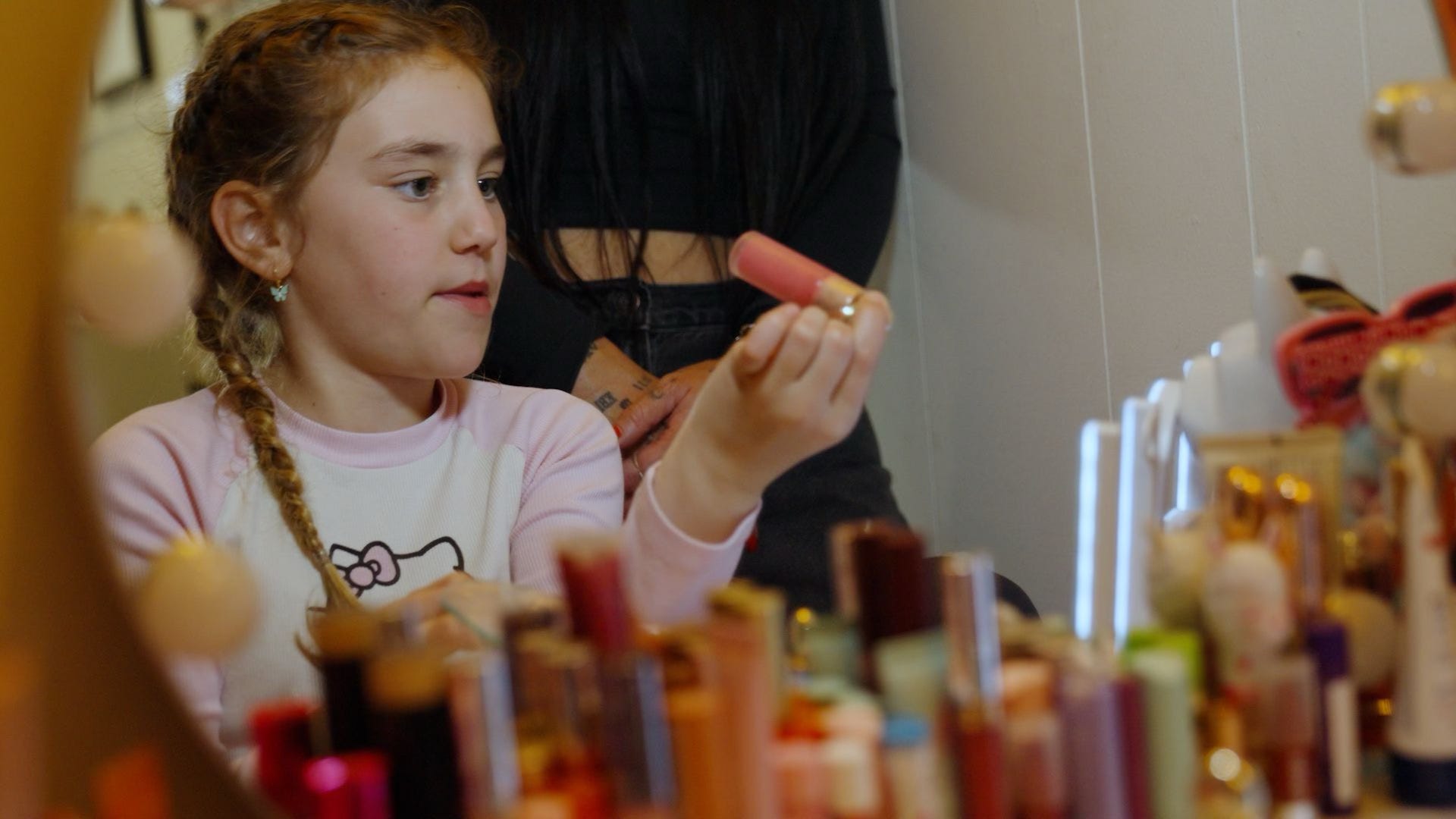
Here’s something I’ve been thinking about a lot lately: we’re raising entire generations of consumers who idolize and doggedly defend their parasocial relationships with social media beauty influencers who don’t know they exist and don’t really care about them - EXCEPT their monetary value.
Honestly? It’s both the best and worst thing to happen to the beauty industry in decades.
Let’s start with the good, because there IS good here (just not a lot)
Gen Z and Gen Alpha are, hands down, the most ingredient-literate consumers we’ve ever seen. When a sixteen-year-old casually drops “I’m looking for something with centella asiatica for barrier repair” at Sephora, that’s next level. The democratization of skincare education through influencers has done more to advance consumer sophistication than decades of dermatologist PSAs ever could. These kids understand pH levels. They understand the mechanical functions of ingredients such as alpha- and beta-hydroxy acids, niacinamide, and ceramides. They’re asking questions their parents never thought to ask.
And the accessibility piece matters too. Influencers have made beauty feel achievable for people who never see themselves in traditional advertising. When you watch someone with your skin type, your beauty concerns, and your budget work through products in real time, that’s genuinely valuable. The cosmetic industry has spent decades pretending that its marketing targets the majority of cosmetic consumers. Social media beauty influencers pointed out the problem with that perspective and changed it.
But here’s where the good ends, I sigh (heavily), and get angry…
Parasocial relationships in the beauty community have created a trust problem, and nowhere is this clearer than in the disclosure disaster we’re living through.
FTC rules aren’t ambiguous: if you’re paid, gifted, or have any material connection to a brand, you are required, BY LAW, to disclose it clearly.
And yet we get #gifted buried fourteen hashtags deep in a description box, sponsorship icons that flash on screen for half a second, and affiliate links mentioned in passing while an influencer spends eight minutes calling a serum “life-changing” (even though the serum they reviewed last week was ALSO “life-changing”).
For adults, this bullsh*t is annoying. For young viewers who genuinely believe this person is their friend, it’s a betrayal they don’t realize is happening.
Let’s name names…
…because you know I’m not afraid to, and because this didn’t happen in a vacuum. Greedy, dishonest people like Jaclyn Hill and James Charles wrote the playbook, building empires on YouTube and Instagram, while their audiences couldn’t distinguish genuine product recommendations from paid product placements. Now, a second generation of beauty influencers on a different social platform (TikTok) are emulating the same dishonesty. Mikayla Nogueira, Glamzilla: same blurred lines, same parasocial intimacy weaponized to make sponsorships feel like friendly advice. The faces change, the tactics get more sophisticated, but the fundamental lack of authenticity and ethics persists.
The research confirms what we already suspect: young consumers are significantly less likely to recognize sponsored content when disclosures are inadequate and more likely to purchase based on recommendations they believe are organic. These failures aren’t accidents. They work. And they work best on the youngest, most trusting viewers.
Beyond disclosure, there’s the consumption pattern itself. Teenagers building ten-step routines they don’t need because their favorite creator uses ten steps. Kids with healthy skin are developing anxiety about “problems” they never thought of until TikTok told them to worry about them. The routine becomes a parasocial ritual—you’re not buying a serum or concealer, you’re participating in a shared experience with someone you admire. That’s psychologically sticky in ways that should concern everyone.
And let’s not blame only dishonest influencers; the cosmetic industry is highly complicit as well. Some brands actively request murky disclosures or none at all because they convert better. What’s even more disturbing to a product developer like myself? Brands begin product development with “what will look best on camera” rather than “how does this product enrich a consumer’s life.” I’ve sat in meetings where packaging was chosen entirely based on flat-lay aesthetics. Our focus, as an industry, has drifted, and it’s worth being honest about who’s getting hurt.
#MyTwoCents
These parasocial relationships aren’t going away anytime soon, nor should they entirely.
But we’d benefit from teaching young consumers that you can enjoy someone’s content and still maintain critical distance (yes, I’m pushing critical thinking - AGAIN). Younger consumers need to understand that their favorite influencer can be engaging, entertaining, and informative, while also being financially motivated to engage in dishonest practices that don’t align with FTC rules.
You see, two things can be true at the same time!
How do we address this? We need to stop treating inadequate disclosure as a minor compliance issue. When influencers obscure their brand relationships, they’re lying to an audience that skews young, trusting, and financially unsophisticated. Even though the FTC is FINALLY taking enforcement seriously, social platforms could do more. And brands knowingly participating in these arrangements deserve to be exposed and face consequences.
What are your thoughts on these parasocial relationships and how they exploit younger consumers? Leave a comment and let’s have a conversation.