

Fragrance Fraud: How Special Interest Groups Profit While Your Skin Pays the Price
Organizations like EWG demonize synthetic fragrance while promoting natural fragrances and essential oils. Science says they're lying, and your sensitive skin is paying the price.

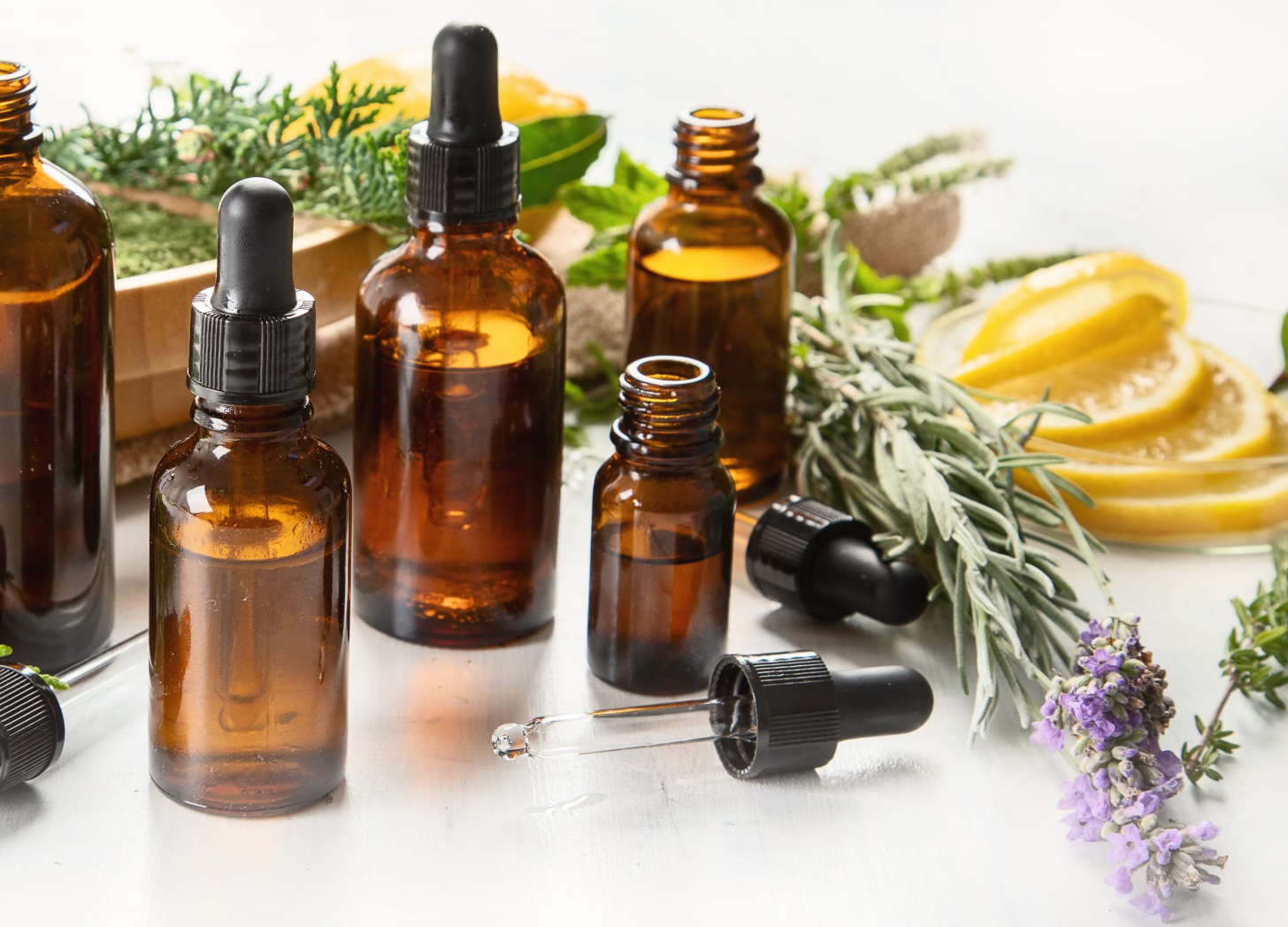
When you see “parfum” or “fragrance” on an ingredient list, have you been trained to run in the other direction?
Please stop running; you’ve probably been misinformed.
Organizations like the Environmental Working Group (EWG) and their “Skin Deep” Cosmetic Database have spent decades fear-mongering about synthetic fragrance while promoting “natural” alternatives. But here’s what they’re intentionally not telling you: for many, that lavender essential oil in your moisturizer is more likely to trigger a dermal reaction like contact dermatitis (redness, burning, stinging) or allergic contact dermatitis (itching, rash, blisters) than a synthetic fragrance.
There’s a reason for that silence. EWG isn’t an unbiased consumer advocacy group; it’s a lobbying organization whose donor base includes suppliers of organic and natural products that profit when you’re afraid of synthetic anything and reach for “natural” instead.
Let me walk you through what the research actually shows.
The Essential Oil Problem Nobody Wants to Talk About
Essential oils sound harmless; they’re from plants, after all. But lavender oil contains over 450 different chemicals, many of which are known allergens. When you use a product with lavender essential oil, you’re getting all of those compounds, whether your skin can handle them or not.
The scientific data is clear. There are nearly 80 essential oils that have been shown to cause contact or allergic dermatitis. 9 of the 80 showed patch test reactions in more than 2% of the test groups. Those 9 include tea tree, peppermint, sandalwood, and yes, lavender essential oils. Lavender reactions were so common that the American Contact Dermatitis Society (ACDS) added it to their core patch testing series.
Just to be clear, ACDS does not conduct small “study groups” like those used in a clinical trial for a new product. Instead, they focus on diagnostic patch testing, and their data comes from large-scale retrospective analyses of those clinical results.
But tea tree oil?!? 😲
It’s supposed to be therapeutic, antimicrobial….
Agreed, yet studies show it has caused more allergic contact dermatitis than most other essential oils, with up to 3.5% positive patch-test reactions in core study groups.
The Oxidation Factor
Here’s where things get really interesting. Two of the most common fragrance ingredients are limonene (a synthetic citrus scent) and linalool (a synthetic lavender scent). In their pure, synthetic forms, they rarely cause reactions. But when they’re blended with essential oils and exposed to air, they oxidize into hydroperoxides, which are potent allergens.
Limonene and linalool have been identified in up to 80% of OTC personal care products, and oxidation transforms these compounds into far more potent allergens than their non-oxidized forms. In a large UK study of over 4,700 dermatology patients, 5% showed positive reactions to oxidized limonene and 5.9% to oxidized linalool.
You know that “natural” lavender essential oil in your cleanser? They don’t bother telling you it’s probably blended with about 50% linalool, and every time you open that bottle, oxidation creates more allergens that could irritate and/or damage sensitive skin. Meanwhile, a product containing only pure synthetic linalool fragrance can be stabilized with antioxidants to prevent oxidation and significantly reduce the risk of a dermal reaction.
What “Clean🤬Beauty” Gets Wrong About Synthetic Fragrance
The unregulated, fear-mongering clean beauty movement loves to claim that synthetic fragrances are “toxic” or full of “harmful chemicals.” But they’re merging two very different issues, allergens and toxicity, for maximum dramatic effect.
I’m aware that some people are allergic to fragrance compounds, whether natural or synthetic. But allergies are individual responses, not an example of toxicity. Some synthetic ingredients are safe, stable, and effective, and can reduce the allergenic potential present in the natural fragrance compounds that the clean beauty folks praise.
When I formulate with synthetic fragrance, I can:
Choose specific molecules that smell beautiful without including known allergens
Control exact concentrations to minimize irritation risk
Add stabilizers to prevent oxidation
Ensure batch-to-batch consistency so your skin gets the same experience every time
With essential oils, I get none of that control.
The Airborne Allergy Risk
Here’s something that surprised me while I was researching this article: there’s been a significant uptick in airborne allergic contact dermatitis from essential oils used in aromatherapy. It’s being reported that more patients are developing eczema on exposed skin simply from aroma diffusers that either heat or nebulize essential oils into the atmosphere. And with the explosion of “natural” fragrance oil diffusers (Pura, Aera, AromaTech, etc.) being marketed so aggressively, cases of airborne contact dermatitis have been rising sharply.
The Marketing vs. The Money
Here’s where it gets interesting. The Environmental Working Group positions itself as a consumer protection organization, but it’s actually a lobbying group funded by organic and natural product companies. When EWG publishes its “recommendations based on scientific studies” (cough, cough), and they label synthetic fragrances as high-risk while giving essential oils a pass, they’re willfully deceiving (lying to) their followers, because they’re not following the CLINICAL science; they’re serving their donors’ financial interests with pseudo-science.
These organizations have built their empires on fear. They’ve convinced consumers that “chemical-free” is their ONLY safe possibility.
Realty Check: IT IS NOT.
Everything is made of chemicals, even WATER (H2O). They want you to believe that “natural” means safe… but poison ivy is natural - is it safe? Arsenic is natural - is it safe? They’ve brainwashed and gaslighted people into believing that anything synthetic is automatically dangerous. It’s brilliant marketing for their donors’ products. But it’s not supported by clinical scientific data or dermatological evidence.
Meanwhile, “natural” essential oils, many of which are known irritants, can cause significant damage to a compromised skin barrier, especially in individuals with atopic dermatitis. The very people who need the gentlest, safest products are being lied to and steered toward ingredients with a high likelihood of HURTING THEM…
because it’s profitable for the organic and natural product industry.
What This Means for Your Routine
I’m not saying all essential oils are bad or that all synthetic fragrances are good. What I’m saying is that the narrative you’ve been sold is backwards.
If you have sensitive skin, reactive skin, or atopic dermatitis:
Question any product that markets “natural fragrance” or essential oils as a selling point.
If you prefer scented products over non-fragranced (which smell like their ingredients), well-formulated synthetic fragrances are generally a gentler choice.
Pay attention to how long products have been sitting on the shelf after you opened them; oxidation makes natural fragrances more irritating over time.
#MyTwoCents
Organizations like EWG have done real damage by teaching people to fear the wrong things - not because they made an innocent mistake, but because their business model depends on it. When your donors are selling essential oils and organic ingredients, you have a financial incentive to demonize synthetic alternatives, regardless of what the science actually says.
As someone who formulates for sensitive skin, I can create gentler, more predictable, more skin-compatible products with synthetic fragrance than I ever could with essential oils. The data backs this up. The patch testing results back this up. The dermatology literature backs this up.
It’s time to stop letting lobbying groups disguised as consumer advocates override actual clinical science. Your skin’s health deserves better than a fear-based formulation that serves someone else’s bottom line.
Kevin James Bennett is the publisher of In My Kit®. He is an Emmy Award-winning makeup artist, cosmetic developer, educator, and consumer advocate.
Learn more at www.kjbennett.com
As someone with ultra sensitive, reactive and acne prone skin, the absolute worst reactions I've ever had were from fragrant essential oils. Before the clean beauty trend ruined the industry, I was able to trust that a product labeled fragrance free was accurate but now I have to be hyper vigilant since some fragrance free labels come with an asterisk meaning free of "synthetic" fragrance but loaded with essential oils.
I know everyone's skin is different but with essential oils, the risk of irritation far exceeds any benefit, which is negligible at best. As for the EWG they've been pushing misinformation for many years and I stay away from any brand that touts their products as "EWG safe".