

The FDA Hasn't Approved a New SPF Ingredient Since the Clinton Administration - Until Now

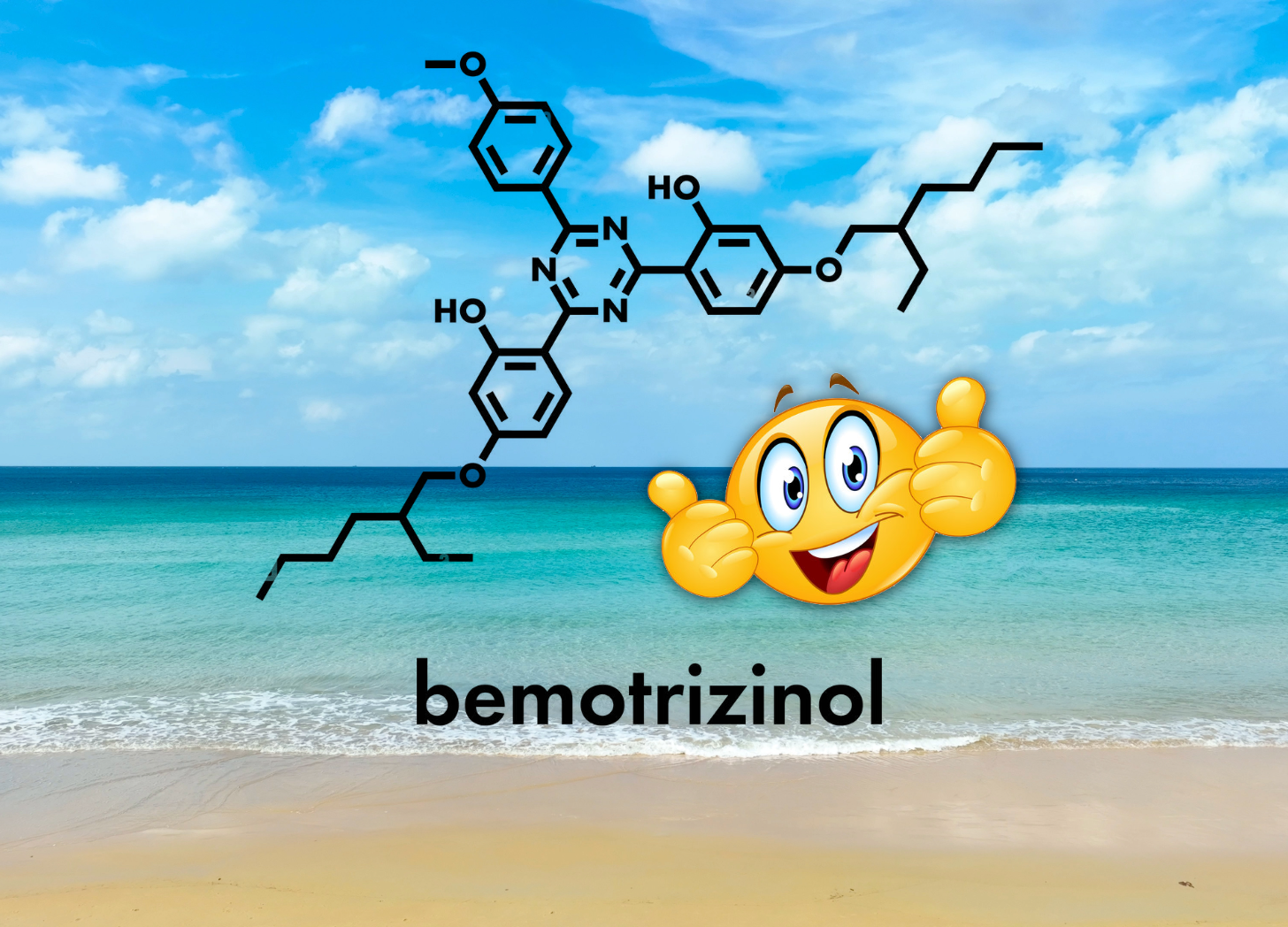
The FDA approved bemotrizinol (BEMT) as a sunscreen active in June 2026. Products can start hitting shelves as early as August 9, 2026. BTW, the rest of the world has been using BEMT since 1999.
Twenty-seven years late? I mean, seriously, FDA, WTF???
Let that sink in. While Europe, Asia, and Australia have had nearly three decades of real-world use of this ingredient (billions of applications, zero safety crises), American consumers have been locked out of it entirely because the U.S. regulatory system classifies sunscreen as a drug and treats it accordingly. This isn’t a breakthrough. It’s a 27-year-overdue correction, and it says a lot about how badly the system has failed us.
The Rest of the World Has Used BEMT for 27 Years
Here’s the part that should genuinely annoy you: bemotrizinol isn’t new. It’s been used safely in sunscreens in Europe, Asia, and Australia since 1999. While American consumers were stuck with the same limited selection of SPF actives from a previous century, people across most of the developed world have had nearly three decades of use of this ingredient. Billions of applications. No mass recalls. No safety crises. Just better sun protection than what Americans had access to.
And bemotrizinol isn’t the only one. Several other highly effective UV filters with equally long safety records in global markets have been waiting for the FDA’s review and approval, in some cases for well over a decade. This has created real frustration for U.S. sunscreen formulators trying to create the most effective protection against the UV radiation that causes skin cancer. Americans deserve better.
Why Did It Take So Long?
Here’s the context most people don’t know: in the U.S., the FDA classifies sunscreen as an over-the-counter drug, not a cosmetic. That means every active ingredient must undergo a drug approval process before it can legally appear in a sunscreen formula. SPF products are subject to the same regulatory framework that governs pain relievers and cold remedies. In most of the rest of the world, sunscreen is regulated as a cosmetic, which moves considerably faster. So while European and Asian regulators were greenlighting new, more effective UV filters with relative efficiency, the U.S. was running them through a pharmaceutical gauntlet. Same ingredients. Extremely different timelines.
What Bemotrizinol Actually Does
This is the part that makes the 27-year wait genuinely frustrating: bemotrizinol is an impressively effective filter.
It delivers outstanding broad-spectrum UVA and UVB protection, which matters because most consumers fixate on SPF numbers (a UVB measure) while UVA radiation, the kind that penetrates deeper and is responsible for both premature aging and skin cancer risk, often gets less attention. Bemotrizinol addresses both. It’s also highly photostable, meaning it doesn’t break down in sunlight the way some older filters do, which has historically been one of the bigger limitations of U.S.-approved actives.
It is approved for adults and children as young as 6 months, and can be used by formulators at concentrations up to 6%. In practical terms, it gives formulators greater flexibility to create lighter, more elegant textures. One of the longstanding complaints about U.S. sunscreen formulas is that they tend to feel heavy and less cosmetically refined than their European counterparts. That gap exists, in large part, because American formulators have been working with effective, yet antiquated ingredients.
What Comes Next
Bemotrizinol is the first ingredient to be approved through a new streamlined FDA approval pathway created by the CARES Act. There are other UV filters the rest of the world has been using for years that are still sitting in the FDA queue. If this opens the door for those, too, great. If bemotrizinol turns out to be the exception rather than the new normal, we’ll be having this exact conversation again in a decade or so.
Either way, expect to see BEMT in new product launches before the end of 2026. Your sunscreen is about to get a long-overdue upgrade.
#MyTwoCents
Let’s be clear about what the bemotrizinol approval actually is: it’s not a triumph. It’s a correction. The U.S. sunscreen regulatory framework has been an embarrassment relative to global standards for a very long time. Formulators in the EU, Japan, and Australia have spent decades developing more protective, more cosmetically elegant products, while American brands have worked around a regulatory system stuck in the 20th century.
We’re FINALLY catching up. But let’s not throw a party and give out gold stars, because we have a long way to go.
The real story here is what it costs us to be this far behind: the best modern protection against skin cancer. American consumers deserve the same level of UV protection available almost everywhere else in the world. One FDA approval doesn’t fix that. But it’s a start.
What do you think? Let’s discuss in the comments.
Kevin James Bennett is the publisher of In My Kit®. He is an Emmy Award-winning makeup artist, cosmetic developer, educator, and consumer advocate. Learn more at www.kjbennett.com
An excellent summary! This is not the second coming. It's a great step in the right direction. Now we need more dermatologists to join the party and make sure their patients understand the improvements, and continue to lobby for more companies to push for approval. Personally I feel that companies like L'Oreal (which owns the sun filters known as Mexoryl) should spend some money like DSM Firmenich did. And if they don't, then US consumers should be annoyed by that.
I'm SO happy about this!! I have been on the struggle bus ever since last summer when suddenly all chemical sunscreen body sprays started causing me to break out in a painful itch that lasted for days -- Coola, Supergoop, all of them. Face is still fine with chems, but for some reason, the rest of my body isn't. I switched to mineral sunscreens, but don't feel like they protect as well. I've been wearing one in Georgia the last two weeks and am completely freckled. August 9th can't come soon enough!